
When a House Extension Feels Natural You Know the Design Worked
Most home extensions do not start with big dreams. They start with small annoyances that slowly pile up. A room that feels too tight when everyone is home. A kitchen that works fine until one more person walks in. A living area that tries to do everything and ends up doing nothing particularly well. Over time, these things chip away at comfort. Extending the house becomes less about adding space and more about restoring balance. The best extensions are not flashy or obvious. They simply make the home feel calmer and easier to live in, like it has finally caught up with real life.
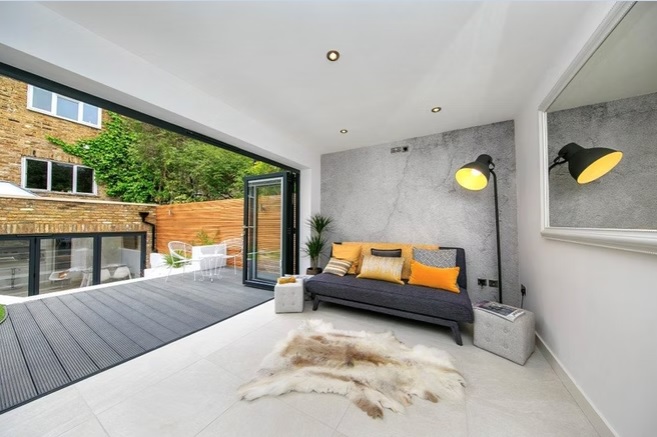
The biggest mistake people make is thinking an extension is just a building project. It is actually a thinking project first. Space on its own does not solve much. How that space connects, how light moves through it, and how it supports daily routines matter far more. When design is rushed, homes end up bigger but not better. When design is thoughtful, even modest extensions can feel transformative.
Design Starts With Understanding the Home
Every house has its own rhythm. Morning light hits certain rooms better than others. Some spaces invite movement while others encourage rest. Ignoring this usually leads to awkward layouts that look fine on paper but feel wrong in real life. Good design begins by understanding what already exists and working with it rather than against it.
A Residential Design Studio often approaches this by spending time learning how the household functions. Where do people naturally gather? Which areas feel underused? Where does noise travel, and where does quiet matter? These observations shape better decisions than measurements alone. When an extension responds to the personality of the home, it feels integrated instead of attached.
Flow Matters More Than Size
Many people ask for bigger rooms when what they really need is better flow. Poor circulation can make even large homes feel cramped. Small adjustments in layout can completely change how space is experienced.
An Architectural Designer focuses on how rooms relate to one another. They think about sightlines, transitions, and how spaces open up or close off as needed. This kind of thinking creates homes that feel intuitive. You do not have to think about where to go or how to use a room. It just makes sense.
Light Changes Everything
Light has an enormous impact on how an extension feels. Natural light can make spaces feel generous, warm, and welcoming. Poorly planned light can make even new spaces feel flat or heavy.
Design decisions around window placement, ceiling height, and orientation are crucial here. An Architectural Technologist often helps turn these ideas into practical solutions that also work structurally. They balance comfort with construction reality, ensuring that good ideas can actually be built without compromise.
Planning and Design Go Hand in Hand
It is tempting to see planning as something separate from design, but the two are closely connected. Decisions about height, boundaries, and layout all interact with local guidelines and technical requirements. Treating planning as part of the design process avoids frustration later.
A Planning & Technical Design Studio usually handles this overlap by aligning creativity with compliance from the start. This approach saves time and keeps expectations realistic. When planning is respected early, designs tend to move forward more smoothly and with fewer revisions.
Budget Is a Design Tool
Budget conversations often feel uncomfortable, but they should not be avoided. A clear budget helps prioritize what matters most. It encourages smarter choices and reduces the risk of disappointment later.
Good design is not about expensive finishes. It is about thoughtful layout, efficient structure, and spaces that work well over time. Sometimes a simple change in form or construction method has a bigger impact than high-end materials. Honest discussions early on allow the design to stay grounded and achievable.
Design That Feels Personal
A successful extension should feel like it belongs to the people who live there, not to a trend or a showroom. Open plans, extra rooms, and flexible spaces all sound appealing, but they only work when they match real lifestyles.
This is where Architectural Design for House Extensions truly matters. It bridges the gap between ideas and lived experience. It helps turn vague hopes into spaces that feel personal and practical. Not overdone, not generic, just right for the household.
Clear Communication Keeps Things Calm
One of the most underrated parts of any project is communication. Clear explanations, regular updates, and realistic timelines reduce stress for everyone involved. When decisions are understood, trust builds naturally.
Studios like Studio-Mass often prioritize clarity over complexity. They focus on making the process feel approachable rather than intimidating. That mindset helps homeowners stay engaged without feeling overwhelmed.
A Home That Evolves With You
Homes are not static. Needs change, routines shift, and families grow. A well designed extension allows a home to evolve without losing its character. It adds flexibility without forcing a complete reset.
If you are thinking about extending your home, take time at the beginning. Look beyond square footage and focus on how you want your home to feel day to day. When design is handled with care, an extension does not just add space. It quietly improves how life unfolds inside the home, making it feel more settled, more comfortable, and more yours.
Recent Post

Leave a Reply