
6 Dairy Cow Hoof Health Management Practices That Reduce Lameness
Preventing lameness is one of the biggest challenges dairy farmers often face. When you have more than 200 cows in your firm, it makes the early detection more difficult. You probably don’t notice it at first if a cow slows down a bit, takes shorter steps, or hesitates before walking to the feed bunk. And one day, you will find that lameness has already set in. That’s how it usually goes.
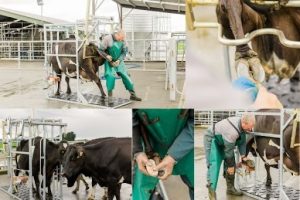
If you have worked around dairy cows long enough, you know this is not just about mobility. It affects milk yield, breeding cycles, and, honestly, the overall mood of the herd.
But the good news is you can prevent this problem with some smart dairy cow hoof health management practices. Let’s explore them!
The Smarter Cow Hoof Health Management Practices That Actually Make a Difference
- Trimming the Hooves Regularly
You already know this, but it is easy to delay. Weeks turn into months. Overgrown claws start changing how cows walk, putting pressure where it should not be. And then problems stack up. When trimming is consistent, not reactive, you avoid most of that mess. It is one of the most effective dairy cow claw health management practices that helps prevent lameness.
- Keeping the Floor Clean & Dry
Wet, dirty floors are basically an open invitation for infections. You walk into a barn, and you can tell instantly if hygiene is under control. If cows are constantly standing in a slurry, their claws soften. It makes them more vulnerable. Keeping things dry is not glamorous work, but it quietly does a lot.
- Providing Comfortable Resting Areas
Cows don’t just need space; they need comfort. When stalls are poorly designed or bedding is thin, cows stand longer instead of lying down. That extra standing time increases pressure on claws. It is one of those indirect causes of lameness we don’t always connect right away.
- Using the Right Tools, Not Just Any Tools
This one gets overlooked a lot. You may be trimming regularly, but if your equipment is not up to the mark, you are doing more harm than good. Investing in proper hoof trimming tools makes the job more precise and safer for both you and the cow. It also reduces the chances of uneven trimming, which can lead to imbalance.
- Detecting the Signs Early
You don’t need fancy systems to spot early lameness. Just watch how cows walk. Watch how they stand. Are they shifting weight? Avoiding one leg? These small behaviours are signals. If you catch them early, treatment is simpler, and recovery is faster. Ignoring them just makes everything harder later.
- Focusing on the Nutrition
We don’t always connect feed with claw health, but it is there. Poor nutrition can weaken hoof structure over time. Imbalances, especially in minerals, make claws more prone to cracks and lesions. It is not an overnight effect, but it builds up quietly.
When you look at all this together, it is not one big change that reduces lameness. It is a small, consistent habit. The kind that don’t feel urgent in the moment, but matter a lot over time.
And maybe that is the real challenge. Staying consistent when nothing seems wrong yet. But that is also where the difference shows. You see it in how cows move, how they behave, and honestly, how smooth your daily work feels. Because when their feet are fine, everything else just works better.
Recent Post



Leave a Reply