
The Hidden Heroes of the Healthcare System Nobody Thanks
When people talk about improving healthcare, the conversation almost always centers on doctors, nurses, wait times, funding, and technology. All of that matters enormously. But there is a whole category of people and services that quietly make the system work and rarely get mentioned in any of those conversations.
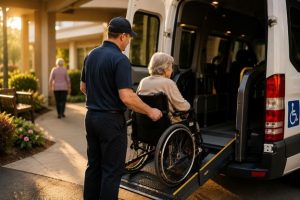
The person who drove an elderly man to his chemotherapy appointment this morning. The driver who helped a woman in a mobility aid get to her specialist after waiting three months for the referral. The quiet, consistent, unsexy work of getting patients from their front door to the care they need. That is a form of healthcare too.
When Getting There Is the Whole Problem
Not everyone has a family member who can drive them. Not everyone can drive themselves. And for a meaningful portion of the population, public transport is not a practical option. It is too slow, too physically demanding, or simply does not go where they need to go.
For these people, reliable patient transport is not a convenience. It is the thing that determines whether they make it to their appointment at all. And missed appointments are not just inconvenient. They can mean delayed diagnoses, missed treatments, and real consequences for long term health outcomes.
Mobility Needs and the Transport Gap
People with mobility challenges face an even more specific problem. A standard vehicle is not always an option. Getting in and out requires equipment, space, and drivers who actually know what they are doing. And when you layer that on top of needing to make a medical appointment on time, the stakes get higher fast.
Having access to a wheelchair maxi taxi Perth that is properly equipped and staffed by a driver who genuinely understands the needs of passengers with mobility challenges is the kind of thing that changes real lives. Not in a dramatic way. In a quiet, everyday, reliable way that most people never notice until they need it themselves.
The Emotional Weight People Carry Alone
There is an emotional dimension to this that is easy to overlook. When someone is already dealing with a serious health condition, the stress of figuring out transport should not be added to the pile. But for a lot of people it is. It takes up mental space. It causes anxiety. It sometimes makes people delay seeking care because the logistics just feel too hard.
A transport system that takes this seriously, that makes the journey as frictionless as possible, is doing something genuinely important for community wellbeing. Not just health outcomes. Wellbeing. Dignity. The feeling that the system is actually built with you in mind.
How to Support the People Who Support Everyone
Most of us cannot overhaul a transport system. But we can pay attention. We can advocate for better funding for non emergency medical transport in our communities. We can share resources with people who need them. We can check on the older or less mobile people in our lives and make sure they know what options exist.
And we can take a moment to appreciate the people whose job it is to make sure vulnerable members of our community can actually access the care they need. They are doing something that matters. Even if nobody is posting about it.
Recent Post



Leave a Reply