
Renting vs Owning: How Your Housing Status Affects Your Security Options
Feeling safe at home matters whether you rent a flat or own a house. Yet the type of property you live in can influence the security choices available to you. Renters often face certain restrictions, while homeowners usually have more freedom to modify their property. Understanding how your housing situation affects security options helps you make better decisions and avoid spending money on solutions that may not work for your living arrangement.
If you take a little time to look at your situation carefully, you can still improve safety regardless of whether you rent or own.
Why Housing Status Matters for Security: A Simple Explanation
When you own a property, you normally have full control over what changes you make. You can install devices, modify doors or windows, and upgrade security features without asking permission from anyone else. Renting works differently. In most cases, the landlord owns the property and may have rules about alterations.
Some rental agreements restrict drilling holes, installing permanent equipment, or making structural changes. Because of this, your housing status often determines how flexible your security options are. It also affects how much control you have over improving the safety of the building itself.
Renting or Owning a Home? Here Is How It Changes Your Security Choices
Security Options If You Rent Your Home
Renting does not mean you have to ignore security. There are still several ways you can make your living space safer without making permanent changes to the property. Many renters focus on portable or temporary solutions that can be installed without damaging walls or fixtures. These options allow you to increase safety while respecting the conditions of your tenancy agreement.
Some practical choices include:
- Door wedges or portable door locks for added resistance
- Window alarms that attach using adhesive strips
- Motion sensor lights that can be mounted without drilling
- Smart doorbells that work with removable brackets
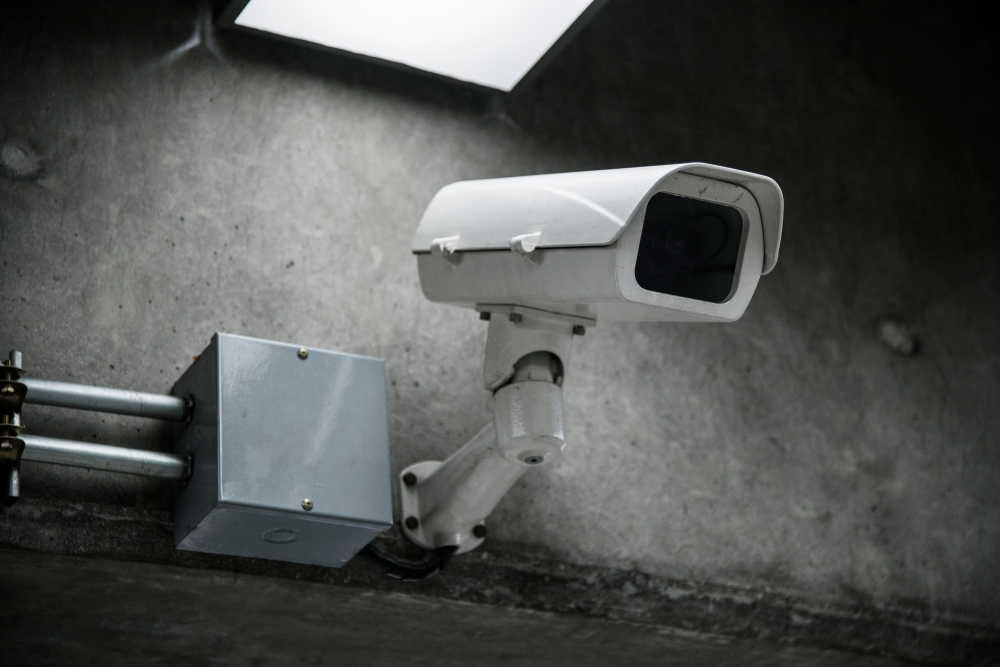
Another option some tenants explore is using a household security camera that can be placed indoors or mounted using non-permanent fixtures. These cameras often connect to a phone app, allowing you to monitor activity without installing complex equipment. The key advantage of these solutions is flexibility. If you move to another property, most of the devices can easily move with you.
What to Check in Your Rental Agreement
Before installing any security equipment, it is always wise to review your tenancy agreement carefully. Some landlords are open to security improvements, especially if they also help protect the property itself. You may want to check whether the agreement allows:
- Drilling into walls or door frames
- Installing outdoor cameras
- Replacing locks or adding additional locks
- Mounting equipment on external walls
If you are unsure, it is often best to ask the landlord directly. Many property owners appreciate tenants who care about safety, and they may approve certain changes if they are installed responsibly.
Security Advantages of Owning Your Home
Homeowners typically have more freedom to design a complete security plan. Because the property belongs to you, there are fewer restrictions on equipment or upgrades. Owning a home allows you to think about security on a broader level. Instead of focusing only on individual devices, you can create a full strategy that protects the entire property.
Some improvements homeowners often consider include:
- Reinforcing doors and upgrading locks
- Installing outdoor lighting around entry points
- Adding alarm systems linked to mobile devices
- Placing cameras around entrances and driveways
Having full control means you can tailor security measures to match the layout of the property and the needs of your household.
Choosing the Right Level of Protection for Both- Renting and Owning
Regardless of whether you rent or own, the most effective security plans usually start with understanding the layout of your property. Entry points, hidden corners, and poorly lit areas are often the places that deserve the most attention. Homeowners sometimes explore larger solutions, such as a home security system Castleford to monitor multiple areas of the property at once. These systems can combine alarms, sensors, and cameras to create a more connected approach to safety.
For renters, the focus often remains on smaller devices that protect without permanent installation. Even simple tools can help discourage unwanted activity when used correctly.
Practical Habits That Improve Security
Security equipment is useful, but everyday habits also play a major role in keeping your home safe. Whether you rent or own, a few simple practices can reduce risk significantly.
You might consider habits such as:
- Securing doors and windows whenever you are away from the house
- Not leaving spare keys outside
- Keeping outdoor areas well-lit at night
- Asking neighbours to watch your property when you are away
These small actions often make a big difference and work alongside any security devices you choose to use.
Safety Is Possible in Any Home
Your housing status may influence the types of security measures available, but it does not prevent you from protecting your home. Renters can rely on flexible, portable solutions, while homeowners may have the freedom to install more permanent systems. With the right combination of awareness, simple precautions, and appropriate security tools, you can create a safer living environment no matter where you live.
Recent Post



Leave a Reply